Border Design Review for Business Merchandise
As an experienced embroidery designer, I recently came across the Border Design machine embroidery design and decided to take a closer look at how it could serve small businesses looking to add a professional yet stylish touch to their branded merchandise. This design, described as fantastic for women’s fashion clothes and home decor items like table cloths, cushion covers, bedsheets, and more, immediately caught my attention with its versatility and visual appeal.
First Impressions of Border Design
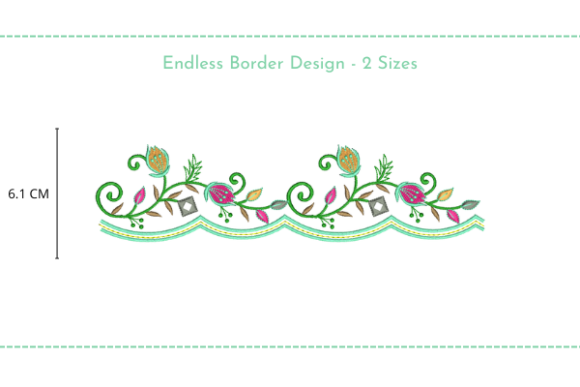
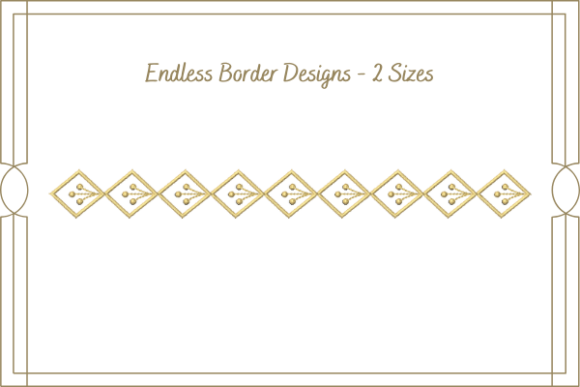
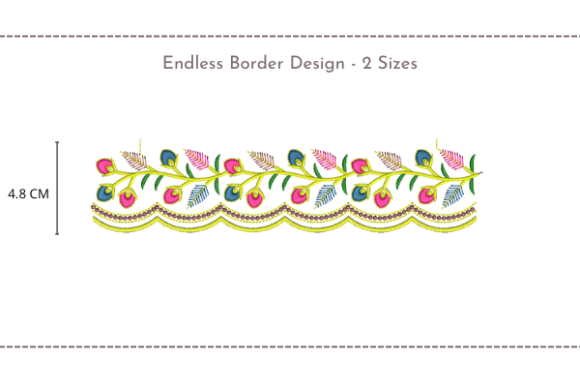
The Border Design has a clean, elegant look that feels both modern and classic. It doesn’t scream for attention but instead adds subtle sophistication to any fabric it adorns. The design appears well-balanced with smooth lines and consistent spacing, which suggests it was created with precision in mind. Its ability to blend seamlessly into various fabrics makes it ideal for commercial embroidery projects where subtlety is key.
This design carries a friendly and premium vibe, making it suitable for a wide range of industries—from boutique brands to café owners who want to elevate their branded merchandise. It feels like a natural fit for custom apparel and handmade products, offering a polished finish without overwhelming the overall aesthetic.
Real Business Use Cases for Border Design
Embroidered Patches: The Border Design works exceptionally well as an embroidered patch. Whether used as a chest logo accent on staff uniforms or as a decorative detail on tote bags, this design maintains its clarity and charm even when scaled down. Its soft edges and flowing lines make it perfect for adding a touch of elegance to apron embroidery or cap embroidery.
Staff Uniforms: For businesses that rely on uniform branding, such as cafés or creative studios, this border can be used as a subtle yet effective way to reinforce brand identity. Placing it along the sleeve or hem of work shirts adds a refined touch that speaks to professionalism and quality.
Tote Bag Design: When applied to tote bags, the Border Design becomes a statement piece. It complements the texture of the fabric while maintaining a cohesive look, making it ideal for customer gifts or event merch. Its adaptability also allows for variations in thread colors, giving businesses the flexibility to match their brand palette.
Boutique Merchandise: Handmade brands and Etsy sellers will appreciate how this design enhances the visual appeal of boutique merchandise. Whether it's a cushion cover or a bedsheet, the Border Design brings a sense of craftsmanship and care to each product, increasing perceived value and buyer engagement.
Where to Use Border Design with Caution
While the Border Design is versatile, there are certain applications where extra attention is needed. For instance, using it on small patch sizes may cause the intricate details to become less visible. Similarly, placing it on curved surfaces like cap fronts requires careful alignment to ensure the design remains intact and visually appealing.
High stitch density areas within the design may require testing on real fabric to avoid puckering or distortion. Additionally, if used on dark-colored uniforms or textured fabrics, it's important to review thread color contrast and consider using proper stabilizer to maintain the integrity of the finished product.
Items that need frequent washing should also be tested for durability, ensuring that the embroidery holds up over time without fading or loosening.
Impact on Brand Identity and Customer Perception
The Border Design plays a significant role in shaping brand identity. Its subtle yet refined appearance helps convey professionalism and attention to detail—key factors in building customer trust and recognition. When consistently used across small business merch, such as custom apparel or product packaging accents, it reinforces visual consistency, which is crucial for brand recall.
For handmade product lines or craft business assets, this design offers a unique way to present the brand as both modern and artisanal. It bridges the gap between digital embroidery file precision and the tactile feel of a handmade product, creating a strong emotional connection with buyers.
Practical Embroidery Designer Notes
Before incorporating Border Design into your commercial embroidery projects, here are some practical steps to follow:
- Test in Black and White: Always start by testing the design in black and white to assess how it looks before applying actual thread colors.
- Check Small Patch Size: Confirm that the design works effectively at smaller scales, especially if planning to use it as an embroidered patch.
- Review Thread Color Contrast: Ensure the chosen thread colors provide enough contrast against the fabric, particularly on dark-colored garments.
- Inspect Spacing and Hoop Size: Check the spacing between elements and confirm the required hoop size for accurate stitching.
- Test on Real Fabric: Always test the design on the intended fabric to evaluate how it interacts with different textures and weights.
- Use Proper Stabilizer: Selecting the right stabilizer is essential to prevent distortion, especially on delicate or stretchy materials.
- Create a Printable Mockup: Provide clients with a printable mockup for approval before finalizing the design for production.
- Compare with Other Design Assets: Ensure the Border Design aligns with other existing design assets to maintain brand consistency.
- Confirm Commercial Licensing: Always verify that the digital embroidery file comes with commercial licensing before using it for business purposes.
In conclusion, the Border Design is a valuable addition to any small business’s embroidery toolkit. Its ability to enhance brand identity, add visual interest, and elevate the look of custom apparel and handmade products makes it a great choice for businesses aiming to stand out in competitive markets. With thoughtful application and preparation, this design can help create memorable and professional-looking merchandise that resonates with customers and strengthens brand presence.